
Where Can You Find a VersaClimber Class in San Diego?

San Diego offers many ways to stay active, from outdoor exercise and traditional gyms to instructor-led fitness studios. But when people want something different from running, cycling, or standard cardio machines, vertical climbing can be an interesting option. A versaclimber class san diego workout provides a full-body approach to cardio by bringing the arms and legs into one coordinated climbing movement.
This type of workout can be especially useful for people who want to make their training time feel more focused. Instead of spending a long session using equipment that mainly works the lower body, vertical climbing creates continuous movement that involves multiple areas of the body.

What Makes a VersaClimber Workout Different?
A VersaClimber is a vertical exercise machine designed to simulate climbing. The hands hold moving handles while the feet remain on pedals, allowing the upper and lower body to work together.
This creates a different experience from walking on a treadmill or riding a stationary bike. Your legs push and pull while your arms contribute to the climbing pattern. Your core also helps you maintain control as you move. For people exploring Pilates San Diego options but also looking to add more cardio variety to their fitness routine, VersaClimber training can provide a different full-body movement experience.
Because the movement is continuous, users can adjust their pace according to their fitness level. Someone new to the machine may start at a comfortable rhythm, while an experienced participant can increase the intensity.
Why Are Short Cardio Classes Appealing?
Finding enough time to exercise is a common challenge. Work, family responsibilities, travel, and everyday commitments can make long gym sessions difficult to maintain.
That is one reason shorter, structured classes can be appealing. A planned workout removes much of the guesswork because participants know what they will be doing and how long the session will last.
VersaClimber sessions can provide a focused cardio workout without requiring hours at the gym. Instructor guidance and music can also make the experience more engaging than exercising alone.
Consistency still matters more than trying to make every workout extremely difficult. A manageable routine that fits naturally into the week is often easier to maintain over time.
Is Vertical Climbing Considered Full-Body Exercise?
Yes. One of the main differences between climbing and many traditional cardio exercises is the involvement of both the upper and lower body.
Your legs help drive the pedals while your arms move the handles. At the same time, your core helps support posture and coordinated movement.
This does not mean every muscle works at the same intensity. The exact challenge depends on factors such as pace, resistance, technique, and individual fitness level.
However, the coordinated climbing pattern can make the session feel more dynamic than cardio activities that primarily rely on leg movement.
Can Beginners Take a Climbing Class?
Beginners can explore vertical climbing without needing previous experience on the equipment. Learning proper positioning and understanding the basic movement should come before focusing on speed.
An instructor-led environment can be helpful because participants have someone available to explain the equipment and guide the workout.
New participants can begin at a manageable pace and gradually increase their effort as they become more comfortable.
Fitness should not be treated as a competition with the person using the machine next to you. Everyone enters a class with a different level of experience, so choosing an appropriate pace is an important part of building a sustainable routine.
How Does It Compare With Other San Diego Workouts?
There is no single exercise style that works best for everyone. Some people enjoy traditional strength training, while others prefer running, cycling, climbing, or controlled studio workouts.
People researching Pilates San Diego options, for example, may be looking for exercises centered around controlled movement, stability, strength, and body awareness. Vertical climbing serves a different purpose because it has a stronger cardio focus.
These approaches do not necessarily need to compete with one another. Different training styles can be used on different days depending on personal goals.
Adding variety can also keep a weekly routine interesting. Instead of repeating the same exercise every session, a person might combine strength-focused movement with cardio and appropriate rest.
Why Does Low-Impact Cardio Interest Some Exercisers?
High-impact activities are not the only way to create a challenging cardio session. During vertical climbing, the feet remain connected to the pedals rather than repeatedly striking the ground.
This creates a different movement pattern from jogging or running.
Low impact, however, should not automatically be interpreted as easy. Participants can still increase the challenge through pace and effort while keeping the climbing motion controlled.
For people who simply do not enjoy running, it also provides another way to include cardio in their schedule without relying on a treadmill.
How Important Is Recovery After Training?
Recovery is an important part of a balanced exercise routine. Training creates physical demands, while rest gives the body time between sessions.
Basic habits should remain at the center of recovery. Drinking enough water, getting sufficient sleep, eating appropriately, and allowing adequate rest can all support an active lifestyle.
People searching for the best fitness recovery experience may also explore additional wellness services, but these should complement—not replace—healthy daily habits.
Recovery needs are individual. How often someone trains, the intensity of their sessions, their experience level, and their overall lifestyle can all influence how much rest they need.
Where Does Infrared Sauna Fit Into a Fitness Routine?
Some studios combine exercise services with wellness-focused options. A san diego infrared sauna session can offer a quiet environment to relax after an active workout or busy day.
Infrared saunas use infrared heat rather than relying only on heating the surrounding air. For fitness users, the main attraction may simply be the opportunity to slow down, relax, and create a clear transition from training to rest.
Sauna sessions should be considered an optional addition to a routine rather than a substitute for fundamental recovery habits.
Anyone with health concerns or uncertainty about heat exposure should seek appropriate medical advice before adding sauna sessions to their routine.
What Should You Look for When Choosing a Fitness Studio?
Equipment is only one part of the studio experience. Instruction, atmosphere, class structure, scheduling, and available workout choices can also affect whether a studio fits your needs.
Look for an environment where instructions are clear and where you feel comfortable learning unfamiliar movements. If you are new to climbing equipment, guidance can make your first few sessions easier to understand.
It can also be useful to choose a studio with more than one training format. Having access to strength and cardio options can make it easier to add variety to your schedule without constantly changing locations.
Most importantly, choose an approach that you realistically enjoy. A workout only becomes useful when you are willing and able to keep doing it consistently.
Where Can You Experience Vertical Climbing in San Diego?
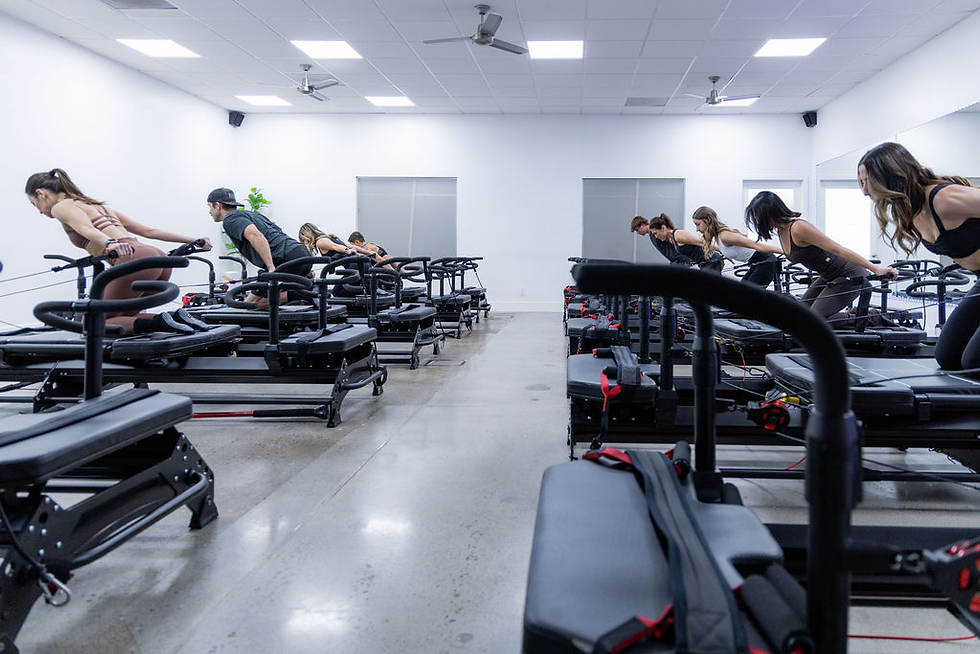
For people interested in combining instructor-led cardio with other studio fitness options, Elevate Training offers 30-minute VersaClimber classes built around full-body vertical climbing. Its fitness offerings also include Lagree Megaformer classes, giving members an opportunity to incorporate controlled, resistance-based strength training into their schedules. Recovery services are available as well, making it possible to build different elements of a fitness routine within one studio environment.
Ultimately, choosing a workout comes down to your goals, preferences, schedule, and current fitness level. Vertical climbing offers an alternative to familiar cardio routines while providing a structured way to challenge the whole body. Start at an appropriate pace, pay attention to technique, allow time for recovery, and focus on consistency rather than trying to do too much too quickly.
FAQs
1. What is a VersaClimber workout?It is a vertical climbing workout that uses coordinated arm and leg movements for full-body cardio.
2. Is VersaClimber suitable for beginners?Yes. Beginners can start at a comfortable pace and gradually increase their effort as they become familiar with the movement.
3. How long is a VersaClimber class at Elevate Training?The VersaClimber cardio class is 30 minutes long.
4. Is vertical climbing a low-impact workout?The feet stay connected to the pedals during climbing, avoiding the repeated ground impact associated with activities such as running.
5. Can I combine climbing cardio with strength training?Yes. Cardio and strength-focused workouts can be scheduled on different days to create a more varied fitness routine.
6. Why is recovery important after a workout?Appropriate rest, hydration, nutrition, and sleep can help support the body between training sessions.


Comments