
What Are the Benefits of Pilates and Strength Training in San Diego?
Finding a workout that helps you build strength, improve flexibility, and support overall fitness can make a big difference in your fitness routine. This is one reason this approach has become an interesting option for people who want a more balanced way to exercise. Instead of focusing only on lifting heavy weights or fast-paced workouts, it can bring controlled movement, resistance, stability, and strength work together.
For people with different fitness levels, combining these training styles can offer a practical way to challenge the body while paying attention to movement quality. If you are exploring Pilates and strength training San Diego, the goal is not simply to work harder. It is to move with purpose, understand your body, and gradually build a stronger foundation.

Why Combine Pilates-Inspired Movement With Strength Training?
Pilates-inspired exercises often focus on control, alignment, stability, and mindful movement. Strength training adds resistance that challenges muscles and helps the body become stronger over time.
When these ideas are brought together, a workout can target more than one area of fitness. You may work your legs, arms, core, and stabilizing muscles while learning to stay controlled through each movement.
For people exploring Pilates San Diego, a workout that combines core-focused movement with strength work can provide a broader training experience. You are not just completing an exercise—you are building strength, improving control, and supporting better movement in everyday life.
1. Build Full-Body Strength
One of the biggest benefits of combining controlled exercise with resistance is the opportunity to work the entire body.
Slow and intentional movements can keep muscles engaged for longer periods. Adding resistance makes those movements more challenging. Instead of rushing through repetitions, you focus on maintaining form and control.
This style of exercise can challenge major muscle groups as well as smaller supporting muscles. Over time, consistent training may help you develop a stronger and more stable body for both workouts and everyday movement.
2. Develop Better Core Control
Your core does more than help create visible abdominal muscles. It supports your body during many movements, from bending and standing to exercising and carrying everyday items.
Many Pilates-inspired movements place a strong focus on keeping the core engaged while the rest of the body moves. Resistance-based exercises can add another level of challenge.
3. Focus on Slow, Controlled Movement
Faster does not always mean better.
Slowing down an exercise can make even a familiar movement feel very different. When you move with control, you have more time to focus on positioning, muscle engagement, and technique.
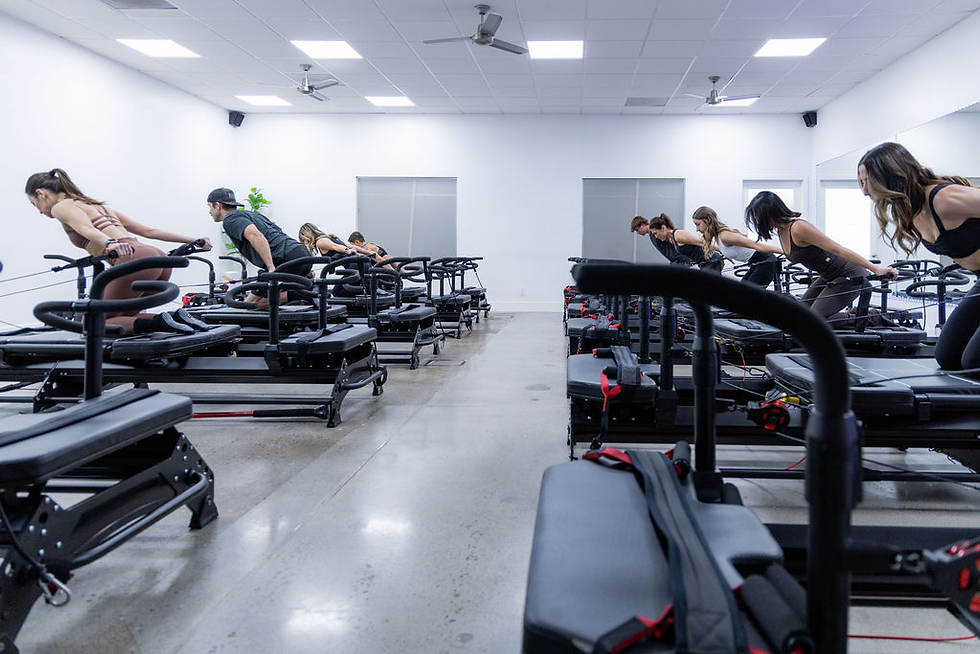
Methods such as Lagree use slow, controlled movements and resistance to create a challenging workout. The Megaformer allows exercises to be performed with continuous tension, which can keep muscles working throughout different parts of a movement.
This approach encourages you to pay attention to what your body is doing rather than simply trying to complete as many repetitions as possible.
4. Add Variety to Your Fitness Routine
Doing the same workout every week can become repetitive. A routine that includes different forms of movement can help keep training interesting.
Some days may focus more on resistance and controlled movement, while other sessions can introduce a stronger cardiovascular challenge.
People searching for Cardio and Strength Training San Diego may find that combining different class styles helps create more variety in their weekly schedule. For example, resistance-focused training can challenge muscular strength, while climbing-based workouts can bring a faster cardio element into the routine.
Variety can also make it easier to choose a workout based on your goals and how you want to train that day.
5. Support Different Fitness Levels
A good fitness routine should not feel like it is designed for only one type of person.
Beginners may need more time to learn movement patterns, while experienced participants may want greater resistance or a deeper challenge. Instructor-led classes can provide guidance so participants understand the movements and learn how to approach exercises at an appropriate level.
This can create a more welcoming experience for people who are starting a new fitness routine or trying a different training method for the first time.
Progress does not have to happen overnight. Small improvements in control, strength, and consistency can add up over time.
6. Create a Stronger Mind-Muscle Connection
Exercise is not only about moving from one position to another. Paying attention to the muscles you are using can make a workout feel more intentional.
Controlled resistance exercises encourage you to concentrate on each movement. You may notice where you feel tension, how your body is positioned, and whether you are maintaining proper control.
This focus can help make each repetition more purposeful. Instead of moving automatically, you become more involved in the workout.
That mind-body connection is one reason controlled training methods can feel very different from workouts built mainly around speed.
7. Make Recovery Part of the Routine
Training is only one part of a balanced fitness routine. Giving yourself time to slow down and recharge can also be valuable.
Recovery may include rest days, proper sleep, hydration, lighter movement, or wellness options that help you relax after exercise. Building recovery into your routine can make fitness feel more sustainable rather than treating every day as another intense training session.
People looking for the best fitness recovery Studio San Diego may want to consider whether a fitness space provides recovery options alongside its workouts. An infrared sauna, for example, can offer a relaxing way to unwind after a training session.

8. Build a Routine You Can Stay Consistent With
The most effective workout routine is often one you can realistically continue.
A balanced program can include strength, controlled movement, cardio, and recovery instead of relying on only one training style. Having several options also allows you to adjust your weekly routine depending on your schedule and fitness goals.
Consistency matters because meaningful fitness progress usually develops gradually. Learning proper movement, showing up regularly, and giving your body appropriate time to recover can create a more sustainable approach than constantly chasing quick results.
Finding the Right Fitness Experience in San Diego
When choosing a studio, look beyond a single workout. Consider the class environment, instructors, training methods, workout variety, and available recovery options. Elevate Training offers instructor-led Lagree Megaformer classes featuring slow, controlled movement and resistance, along with VersaClimber classes for a full-body climbing workout. Infrared sauna sessions are also available for people who want time to relax and recharge after training.
Final Thoughts
Combining Pilates-inspired movement with resistance training can offer a balanced way to work on strength, core control, stability, and intentional movement. Adding cardio and making room for recovery can create an even more complete routine. The right approach depends on your goals, experience, and preferences, but choosing workouts that encourage proper movement and long-term consistency can help you build a fitness routine that feels challenging, purposeful, and sustainable
FAQs
1. Can Pilates and strength training be done together?Yes. Combining controlled Pilates-inspired movements with resistance exercises can create a balanced full-body workout.
2. Is this type of workout suitable for beginners?Yes. Beginners can start with appropriate resistance and focus on learning proper form, control, and movement patterns.
3. How does Pilates-inspired training help build strength?It uses controlled movements, core engagement, stability, and resistance to challenge different muscle groups.
4. What is the difference between Lagree and traditional Pilates?Lagree uses a Megaformer and combines slow, controlled movements with resistance and continuous muscle tension, while traditional Pilates follows its own equipment and movement methods.
5. Can strength-focused workouts also include cardio?Yes. A fitness routine can include resistance-based sessions alongside cardio-focused workouts such as VersaClimber training.
6. Why are slow and controlled movements important?Moving slowly can help you focus on muscle engagement, stability, positioning, and proper exercise technique.


Comments